
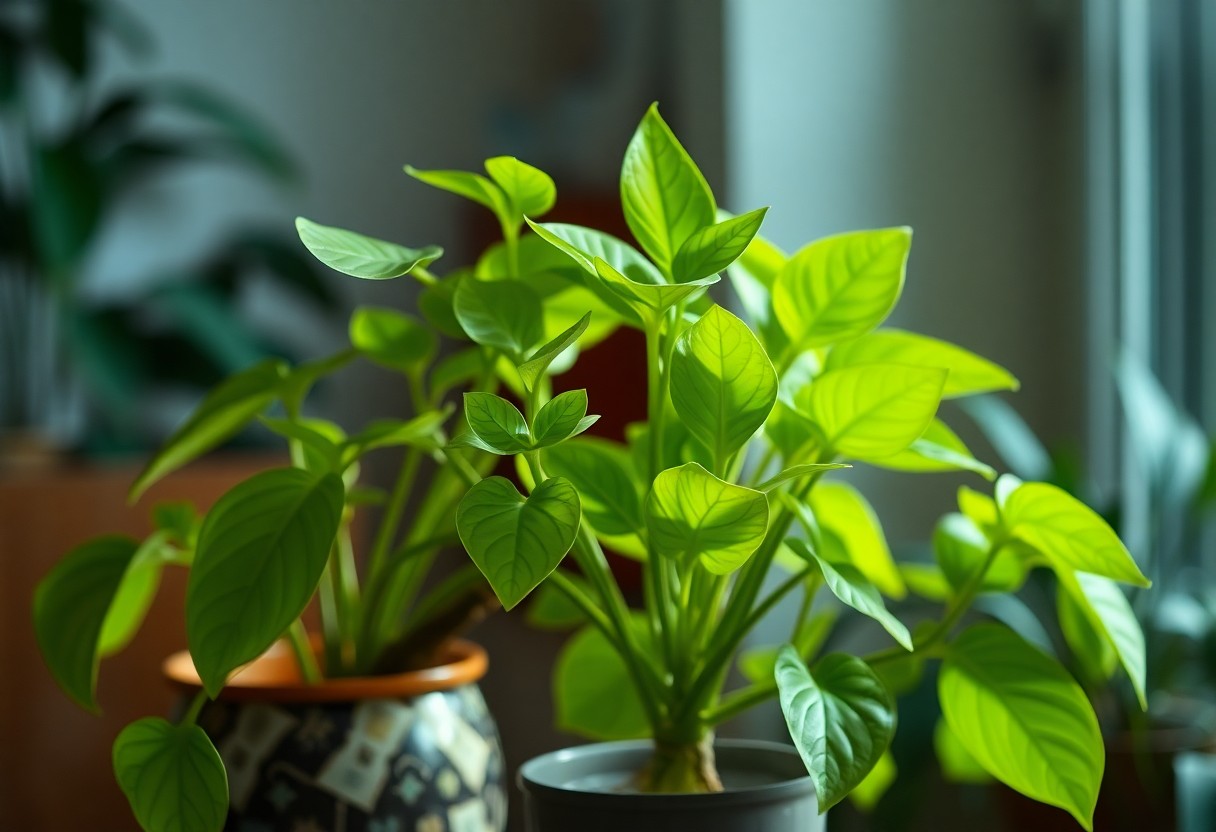
Pothos Overview, Care and Propagation
Care for your Pothos plant involves understanding its versatile nature and unique characteristics. Known for its beautiful, heart-shaped leaves and resilient growth, Pothos is an ideal choice for both novice and experienced gardeners. To ensure your plant thrives, provide it with indirect sunlight and allow the soil to dry out between waterings. Additionally, be aware that while Pothos is generally safe, it can be mildly toxic to pets if ingested. This blog post will guide you through vital care techniques and various propagation methods to help your Pothos flourish.
Key Takeaways:
- Pothos Varieties: Pothos plants come in multiple varieties such as Golden Pothos, Marble Queen, and Neon Pothos, each with unique foliage patterns and colors.
- Care Requirements: They thrive in indirect light and prefer well-draining soil; watering should be done when the top inch of soil feels dry to the touch.
- Propagation Techniques: Pothos can be easily propagated through cuttings placed in water or soil, promoting quick root growth and new plant development.
Overview of Pothos
Your journey into the world of houseplants is incomplete without the steadfast Pothos, also known as Epipremnum aureum. This hardy, low-maintenance vine is a favorite among plant enthusiasts due to its adaptability and striking heart-shaped leaves. Pothos thrives in various light conditions and requires minimal care, making it an excellent choice for beginners or busy individuals seeking to brighten their spaces with lush greenery.
Characteristics and Varieties
Below are some notable characteristics and varieties of Pothos. Known for its trailing or climbing habit, Pothos can reach significant lengths, often growing 10 feet or more if left unhindered. Varieties such as Golden Pothos, Marble Queen, and Neon exhibit distinct colorations, adding vibrancy to your plant collection. Each variety features unique patterns and hues that can enhance your interior decor.
Common Uses and Benefits
Any plant lover will appreciate the many uses and benefits of Pothos. This remarkable plant not only serves as an eye-catching decorative element but also brings positive attributes to your indoor environment. It helps purify the air by filtering out toxins, improves overall humidity levels, and promotes a calming atmosphere.
And the benefits don’t stop there! Pothos is an excellent choice for improving indoor air quality, as it effectively removes harmful substances like formaldehyde and benzene, making it safer for your home. Additionally, its ability to thrive in low light and tolerate neglect means you can enjoy its beauty without the stress of constant care. Its cascading vines also create a cozy, natural vibe that can boost your mood and well-being, making it an invaluable addition to your indoor greenery.
Ideal Growing Conditions
Assuming you want to create a thriving environment for your Pothos, it’s important to provide conditions that mimic its natural habitat. These resilient plants prefer warm temperatures ranging from 60°F to 80°F (15°C to 27°C) and do best in well-draining soil. Additionally, ensure they are placed in an area with good air circulation to promote healthy growth and minimize the risk of mold and pests.
Light Requirements
One of the key factors for your Pothos’s health is the light it receives. Ideally, they thrive in bright, indirect sunlight; however, they can adapt to low-light conditions. Excessive direct sunlight can scorch the leaves, while too little can hinder growth. Aim for a balanced light environment to keep your plant vibrant.
Watering and Humidity
Beside light, proper watering and humidity are vital for your Pothos. Allow the top few inches of the soil to dry out between watering to prevent overwatering, which can lead to root rot. In terms of humidity, Pothos appreciates moderately humid conditions; you can mist the leaves occasionally or place the pot on a humidity tray to inspire growth.
Another important aspect of watering and humidity is the frequency. Generally, you should check your Pothos once a week to adjust watering as needed. Be cautious of overwatering, as this is a common mistake that can result in root rot. Additionally, keeping your Pothos in a location with humidity levels between 40-60% will help it thrive; low humidity can lead to brown leaf tips. Regularly assess your plant’s needs and adjust accordingly to promote vigorous growth and lush foliage.
Soil and Potting Recommendations
Once again, selecting the right soil and potting method is vital for your Pothos to thrive. Use a well-draining potting mix that allows for proper aeration. Choose a pot with drainage holes to prevent overwatering. The size of the pot should accommodate the plant’s growth; usually, a slightly larger pot is beneficial for your Pothos. Regularly check the moisture levels to ensure the plant’s health and vitality.
Best Soil Types
Any suitable soil must provide adequate drainage and nutrient support for your Pothos. Here’s a brief overview of preferred soil types:
| Soil Type | Description |
| Peat-Based Mix | Retains moisture while allowing for drainage. |
| Orchid Bark | Excellent for aeration and drainage. |
| Cactus Soil | Offers great drainage properties for your plant. |
| All-Purpose Potting Mix | Convenient and balanced soil option. |
| Custom Mix | Combine ingredients like perlite or vermiculite. |
Assume that you choose a combination of these soil types to meet your Pothos‘ needs effectively.
Potting and Repotting Tips
Tips for potting and repotting your Pothos can significantly impact its health. Follow these suggestions to cultivate a thriving plant:
- Choose a pot that is 1-2 inches larger in diameter than the current one.
- Use fresh soil to promote growth.
- Handle the roots gently to prevent damage.
- Water well after repotting.
- Allow the plant to adjust to its new environment.
This simple approach ensures your Pothos receives the care it deserves and can flourish in its new home.
Consequently, when potting and repotting your Pothos, you should pay attention to some important details. Always make sure to choose a pot with proper drainage, as standing water can lead to root rot. Be cautious when handling the roots to avoid any damage. After repotting, placing your Pothos in a location with indirect light will help minimize transplant shock. Regular care and observation can lead to healthy, vibrant growth. This ensures your Pothos remains a stunning addition to your indoor space.
Pothos Care Instructions
All Pothos plants thrive with minimal effort, making them perfect for beginners. They prefer bright, indirect light but can adapt to low light conditions. Water your Pothos when the top inch of soil feels dry, allowing for adequate drainage to prevent root rot. Maintain average humidity levels, and wipe the leaves occasionally to remove dust, promoting healthy growth.
Fertilization Guidelines
Around every 4-6 weeks during the growing season, you should apply a balanced, water-soluble fertilizer diluted to half strength. This will support healthy growth and enhance the vibrancy of your leaves. During the fall and winter months, reduce fertilization, as Pothos enter a dormant phase.
Pruning and Maintenance
Fertilization is imperative, but equally important is maintaining your Pothos’s shape. You should prune your plant regularly to encourage bushier growth and remove any yellow or damaged leaves. This not only improves the plant’s appearance but also promotes better air circulation, reducing the risk of disease.
Even with regular maintenance, it’s imperative to keep an eye on your Pothos. Pruning your plant not only enhances its silhouette but can also result in a more vigorous growth pattern. Ensure you use clean, sharp scissors to avoid any harm to the plant. Be cautious of over-pruning, as this can stress your Pothos, leading to stunted growth. A well-maintained Pothos will reward you with lush, vibrant foliage, elevating your indoor plant collection.
Common Pothos Problems
For a healthy Pothos, it’s vital to identify and address common problems. This versatile plant can suffer from a range of issues, including leaf discoloration, stunted growth, and leggy stems. By understanding potential challenges and implementing effective solutions, you can ensure your Pothos thrives in its environment.
Pests and Diseases
The most frequent pests afflicting Pothos include spider mites, mealybugs, and aphids. Regularly inspect your plant for any signs of infestation, such as webbing or sticky residue. If pests are detected, act promptly with insecticidal soap or neem oil to protect your plant from significant damage.
Troubleshooting Care Issues
About troubleshooting care issues, there are several common signs that your Pothos may need attention. Yellowing leaves often indicate overwatering, while brown, crispy edges can signal underwatering or low humidity. Adjust your watering routine and monitor the humidity levels to promote a healthy plant. Ensure adequate light without direct sunlight, as too much can scorch the leaves. Regularly evaluating your plant’s environment will help you maintain its overall health and vitality.
To effectively manage care issues, you should closely observe your Pothos for any shifts in appearance or growth patterns. Address overwatering immediately by allowing the soil to dry out and adjusting your watering schedule. Conversely, if you find your Pothos struggling due to insufficient light, move it to a brighter location. Additionally, maintaining proper humidity levels can significantly enhance your plant’s well-being, particularly in dry indoor conditions. Taking these steps will help restore your Pothos to its lush and vibrant state.
Propagation Methods
Despite being easy to care for, propagating pothos can be one of the most rewarding aspects of owning this plant. You have several methods to choose from, including stem cuttings and both water and soil propagation, which allow you to share your favorite green companion with friends or simply expand your indoor jungle.
Stem Cuttings
Among the best methods for propagating pothos is using stem cuttings. This straightforward technique involves cutting a healthy vine just below a leaf node, where you can encourage new growth. By placing these cuttings in water or soil, you can produce new roots and develop an entirely new plant efficiently.
Water and Soil Propagation
Any method you choose for propagation, particularly water and soil, offers unique benefits. Water propagation allows you to easily observe root development, while soil propagation provides a more established environment from the start.
Due to the ease of monitoring roots in water propagation, this method is popular among plant lovers. When you place the cuttings in water, ensure that at least one node is submerged, allowing roots to thrive. Once the roots reach a couple of inches, you can transfer your cutting to soil. Conversely, with soil propagation, you eliminate the transplant shock that can occur when moving from water to soil. This method often leads to a healthier plant in the long run. Both methods can be employed successfully, allowing you to enjoy multiple thriving pothos plants from just one parent!
Summing up
Following this overview, you now have a solid understanding of pothos care and propagation. From providing the right light and water conditions to mastering propagation techniques, you can ensure your pothos thrives in your space. This versatile plant not only enhances your home decor but also improves air quality. With attentive care, your pothos will flourish and grow, offering you satisfaction as you nurture it through its journey.
Pothos Overview, Care and Propagation
Q: What are the basic characteristics of Pothos plants?
A: Pothos, also known as Epipremnum aureum or devil’s ivy, is a popular houseplant characterized by its heart-shaped leaves that can vary in color from deep green to yellow and variegated patterns. This trailing vine is native to the Solomon Islands and is known for its adaptability to various indoor conditions. Pothos plants can grow in low light, but they thrive in bright, indirect sunlight. They are also known for their air-purifying qualities, making them not only visually appealing but beneficial for indoor environments.
Q: How should I care for my Pothos plant?
A: Caring for a Pothos plant is relatively straightforward. It prefers well-draining soil; a mix that includes potting soil combined with perlite or orchid bark works well. Water the plant when the top inch of the soil feels dry, ensuring that excess water can drain out to prevent root rot. Pothos can benefit from occasional fertilization during the growing season (spring and summer) with a balanced houseplant fertilizer. Additionally, wiping the leaves with a damp cloth can help keep them dust-free and allow the plant to photosynthesize more effectively. Pruning can be done as needed to maintain shape and encourage bushier growth.
Q: What is the best method for propagating Pothos plants?
A: Propagating Pothos is simple and can be done through stem cuttings. Begin by taking a cutting that is at least 4-6 inches long, ensuring it has a few nodes (the small bumps where leaves grow). Place the cutting in a glass of water or directly into moist potting soil. If using water, ensure that at least one node is submerged, and replace the water every few days. Roots will typically develop in a few weeks. Once the roots are a few inches long, you can transfer the cutting to a pot with soil, where it can continue to grow into a thriving new plant.