
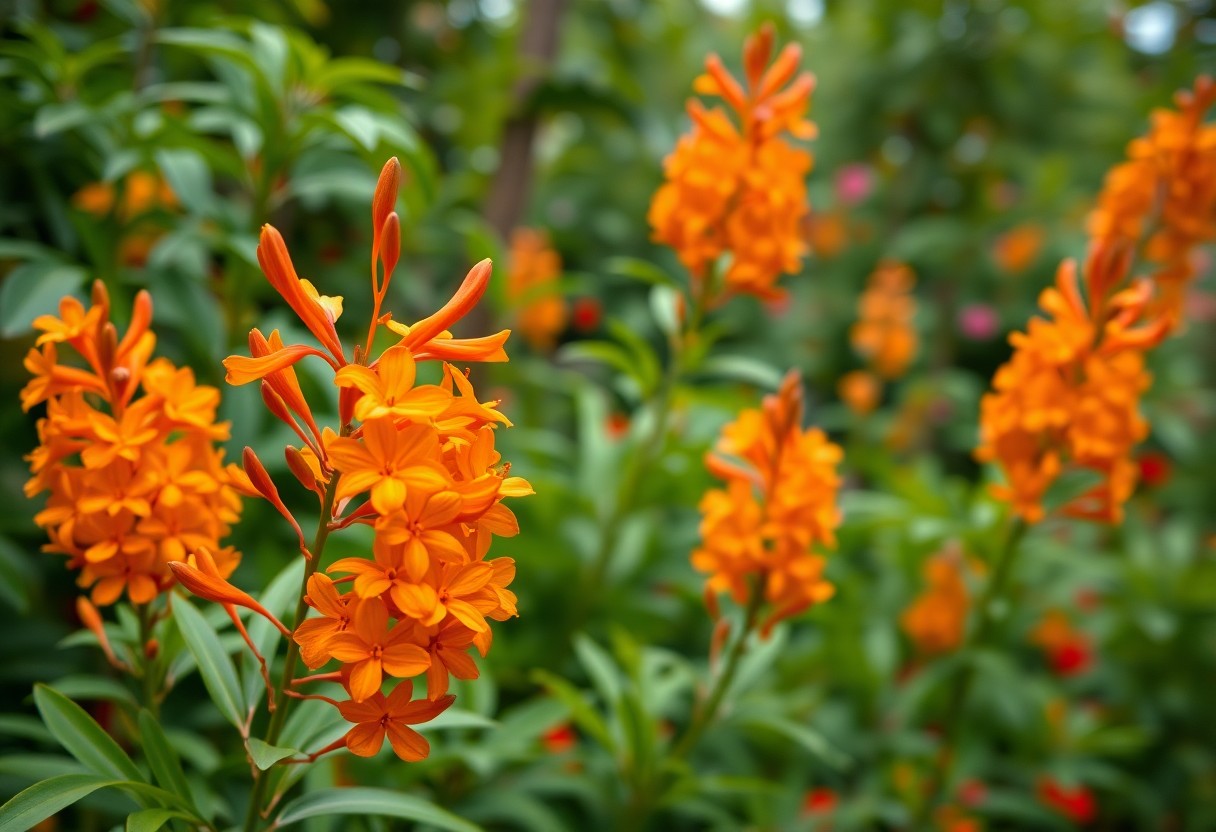
Crocosmia Overview, Care and Propagation
Many gardeners find Crocosmia to be a stunning addition to their landscape due to its vibrant flowers and ability to attract pollinators. In this guide, you will learn about the optimal care required to keep your Crocosmia healthy, including watering, sunlight needs, and soil preferences. Additionally, we will probe into propagation techniques that allow you to expand your collection. Whether you’re a novice or seasoned gardener, understanding these key aspects will ensure your Crocosmia thrives beautifully in your garden.
Key Takeaways:
- Growing conditions: Crocosmia thrives in well-drained soil with full sun to partial shade, requiring moderate water to support robust growth.
- Care requirements: Regular deadheading and dividing every few years will promote healthy blooms and prevent overcrowding in the garden.
- Propagation methods: Crocosmia can be propagated through bulbs or corms, making it easy to increase your planting stock for wider coverage.
Overview of Crocosmia
While these vibrant plants, commonly known as montbretia, are native to southern Africa, they have gained immense popularity in gardens worldwide. Known for their striking, trumpet-shaped flowers that bloom in shades of red, orange, and yellow, crocosmia adds a touch of drama and color to any landscape. They thrive in well-drained soil and sunny spots, attracting pollinators like hummingbirds and butterflies, making them an excellent choice for your garden.
Botanical Classification
Below is the botanical classification of Crocosmia: it belongs to the family Iridaceae, which includes a variety of flowering plants. The genus is called Crocosmia, and its species primarily include Crocosmia masoniorum and Crocosmia aurea, among others. These classifications help you identify and differentiate between the various types of crocosmia available for cultivation.
Common Varieties
Behind the allure of crocosmia lies a handful of popular varieties that offer unique characteristics and beauty. Some of the most sought-after types include ‘Lucifer,’ with its striking red flowers; ‘Emily McKenzie,’ which showcases a fantastic mix of orange and yellow; and ‘George Davidson,’ known for its bright yellow hue.
Understanding common varieties of crocosmia is vital for selecting the right plants for your garden. For instance, ‘Lucifer’ stands out with its vivid red blossoms that can reach heights of up to 3 feet, creating a bold statement in any landscape. ‘Emily McKenzie’ presents an exceptionally beautiful mix of orange and yellow, attracting both pollinators and admirers alike. On the other hand, ‘George Davidson’ offers a cheerful yellow that lights up shady areas. By choosing varieties that suit your garden’s conditions, you enhance your aesthetic appeal while enjoying vibrant colors and lively wildlife interactions.
Growing Conditions
There’s a variety of growing conditions that Crocosmia thrives in, making it a versatile choice for your garden. These plants are typically suited for USDA hardiness zones 5-9, where they can flourish in summer’s warmth and mild winters. Ensuring proper conditions like adequate sunlight, appropriate soil type, and sufficient watering helps your Crocosmia reach its full potential, showcasing vibrant blooms and attracting pollinators.
Sunlight Requirements
After planting your Crocosmia, it’s important to position them in a location that receives plenty of sunlight. Ideally, you should provide them with at least 6 hours of direct sunlight each day. This bright exposure helps promote abundant flowering and encourages robust growth, making your garden vibrant and lively.
Soil and Water Needs
The soil you choose for growing Crocosmia plays a significant role in their overall health. They prefer well-drained soil rich in organic matter, as this accommodates their growth and prevents root rot. Make sure to keep the soil consistently moist, especially during dry spells, while avoiding waterlogged conditions.
Sunlight is vital for Crocosmia’s success, but the quality of the soil and the balance of watering can be just as impactful. Use a mix of sandy or loamy soil that facilitates drainage and allows roots to breathe, ensuring they do not sit in water. This kind of soil, combined with regular watering to keep it moist but not soggy, will help sustain growth throughout their active blooming season, making your garden a stunning display of colors.
Care and Maintenance
After planting your crocosmia, consistent care and maintenance are crucial to ensure vibrant growth and blooms. Make sure to monitor soil moisture; these plants prefer well-drained soil and can tolerate drought once established. Additionally, providing good air circulation and spacing will help prevent diseases, while mulching can retain soil moisture and suppress weeds.
Fertilization
An annual fertilization during the growing season will support your crocosmia’s health. Use a balanced, slow-release fertilizer to promote robust blooms. Avoid over-fertilizing, as this can lead to excessive foliage at the expense of flowers.
Pruning and Deadheading
Pruning is crucial to maintaining the health and appearance of your crocosmia. After flowering, cut back the spent blooms to encourage new growth and prevent seed formation. This not only enhances the plant’s appearance but also redirects energy to the roots and foliage.
Even though pruning might seem like an additional chore, it is beneficial for your crocosmia’s vitality. Deadheading the spent flowers will prolong the blooming period and prevent your plants from self-seeding, which can lead to overcrowding in your garden. You should also cut back any yellowing or damaged foliage to keep your plants looking their best. This simple practice encourages healthier growth and allows your crocosmia to thrive season after season.
Propagation Techniques
Keep your Crocosmia thriving by utilizing effective propagation techniques. Two primary methods to consider are the division of corms and seed propagation. Each approach has its benefits and can help you expand your Crocosmia collection while ensuring the health of your existing plants.
Division of Corms
Techniques for dividing corms typically involve waiting until the plant is dormant. Carefully dig around the corms and separate the offsets, ensuring each has roots attached. You can then replant these corms in well-draining soil, allowing ample space for future growth.
Seed Propagation
Along the path of seed propagation, you will want to gather seeds from your mature Crocosmia plants. Sowing these seeds indoors or in a controlled environment will give you the best chance for quick germination and healthy seedlings.
Even though seed propagation can be an exciting method, it involves some patience as the process can take longer than dividing corms. Generally, you will need to wait for at least two years before the seedlings mature enough to bloom. It is imperative to keep your seeds in a cool, moist environment until they sprout. Providing the right light and temperature will lead to successful growth, transforming tiny seeds into vibrant Crocosmia blooms in your garden.
Pests and Diseases
Once again, Crocosmia plants are vulnerable to certain pests and diseases that can compromise their health and beauty. Keeping a close eye on your plants, practicing good cultural techniques, and intervening promptly can help mitigate these issues and ensure your plants thrive.
Common Pests
Along with many garden favorites, Crocosmia can attract common pests like aphids, spider mites, and slugs. These pests can damage your plants by sucking out their sap or creating unsightly holes in the leaves. Regular monitoring and prompt treatment can help keep these pests at bay.
Diseases and Treatments
At times, Crocosmia may face diseases such as rust and bulb rot, which can weaken your plants significantly. It is vital to identify symptoms early and take appropriate action to treat or prevent these diseases.
And, to combat rust disease, ensure good air circulation around your plants and consider applying a fungicide if necessary. Additionally, bulb rot is often caused by excessively wet conditions; thus, you should avoid overwatering and implement proper drainage techniques. Always inspect your plants regularly for any signs of distress, and be prepared to remove affected foliage promptly to protect your overall plant health.
Seasonal Care
Not all care for Crocosmia is the same throughout the year. You will need to adjust your approach as the seasons change to keep your plants thriving. Paying attention to the specific needs of Crocosmia during different times of year will ensure optimal growth and abundant blooms.
Spring and Summer
Before the growing season kicks into high gear, ensure your Crocosmia is well-watered and mulched to help retain soil moisture. As flowers emerge in the summer, provide support for taller varieties and deadhead regularly to promote additional blooms.
Fall and Winter Preparations
Along with the arrival of colder temperatures, it’s important to prepare your Crocosmia for winter. Cut back the foliage after the first frost, and consider lifting the bulbs if you live in an area where temperatures drop significantly.
This preparation is particularly important for the health of your Crocosmia. Lifting the bulbs or tubers and storing them indoors can protect them from freeze damage in harsher climates. If left in the ground, cover them with several inches of mulch to help insulate the roots. Additionally, ensure the soil is well-draining to prevent bulb rot during wet winter months. Proper fall and winter care will set the stage for vigorous growth come spring!
Summing up
Considering all points, Crocosmia can be a beautiful addition to your garden with its vibrant flowers and easy care requirements. By understanding its preferred growing conditions, providing the right maintenance, and employing effective propagation methods, you can ensure that your Crocosmia thrives and blooms beautifully. Whether you choose to plant them for their striking appearance or to attract pollinators, your efforts in nurturing this hardy plant will surely enhance your outdoor space.
FAQ
Q: What is Crocosmia and what are its main characteristics?
A: Crocosmia, commonly known for its vibrant flowers and attractive foliage, is a perennial plant belonging to the Iridaceae family. Native to South Africa, it typically boasts sword-like leaves and arching flower spikes which bloom in shades of orange, red, and yellow during summer. Crocosmia is also drought-tolerant and attracts pollinators such as bees and butterflies, making it a popular choice for gardens and landscapes.
Q: How should I care for Crocosmia in my garden?
A: Caring for Crocosmia involves providing well-drained soil and a sunny location, as these plants thrive in bright light. It is advisable to water them regularly during dry spells, particularly in the growing season, but avoid waterlogging. After the flowering period, trimming back the foliage can help maintain the plant’s appearance. Additionally, applying a balanced fertilizer during the growing season can promote healthier blooms.
Q: How can I propagate Crocosmia plants?
A: Propagating Crocosmia can be done through division or using corms. To divide, carefully dig up mature plants in early spring or fall, separating the corms and replanting them. When propagating from corms, wait until the dormant season, and then plant them in well-drained soil at a depth of about 2 to 4 inches. Ensure the corms are spaced adequately to allow for growth. With proper care and conditions, new plants will develop and flourish.